Pattern
A Pattern is an algorithm that draws a totem based on a skin and additional arguments.
The library includes two built-in patterns, but you can also create your own by inheriting from the Abstract class. For detailed information, see the guide on writing a custom pattern.
Built-in Patterns
Section titled “Built-in Patterns”The original pattern by WavyCat. This is the default pattern used by the builder.
Examples
Section titled “Examples”| Notch wide | WavyCat slim | CyCeKu wide |
|---|---|---|
 | 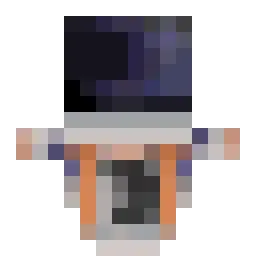 | 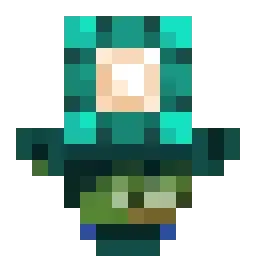 |
from wavy_totem_lib import TotemBuilderfrom wavy_totem_lib.patterns import Wavy
TotemBuilder(pattern=Wavy)
# Alternatively, you can omit the pattern entirely since Wavy is the default pattern:
TotemBuilder()A pattern based on code by UnFamousSoul.
Examples
Section titled “Examples”| Notch wide | WavyCat slim | CyCeKu wide |
|---|---|---|
 | 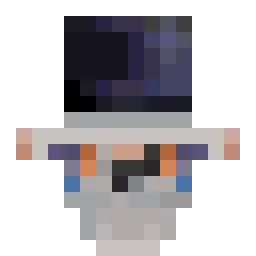 | 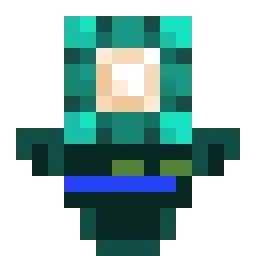 |
from wavy_totem_lib import TotemBuilderfrom wavy_totem_lib.patterns import STT
TotemBuilder(pattern=STT)
Core Properties and Methods
Section titled “Core Properties and Methods”These properties and methods are available in all patterns inherited from Abstract.
skin:Skin— contains the skin used as the basis for drawing the totem.top_layers:List[TopLayer]— a list of second layers (body parts) that should be rendered. By default, contains all layers.**kwargs:Dict[str, Any]— contains all additional arguments passed to the builder that were not used by the builder itself. Allows the pattern to accept additional arguments._canvas:PIL.Image— the canvas on which the totem is drawn. Initially empty. Used by theimage()method.image():PIL.Image— renders and returns the totem image.